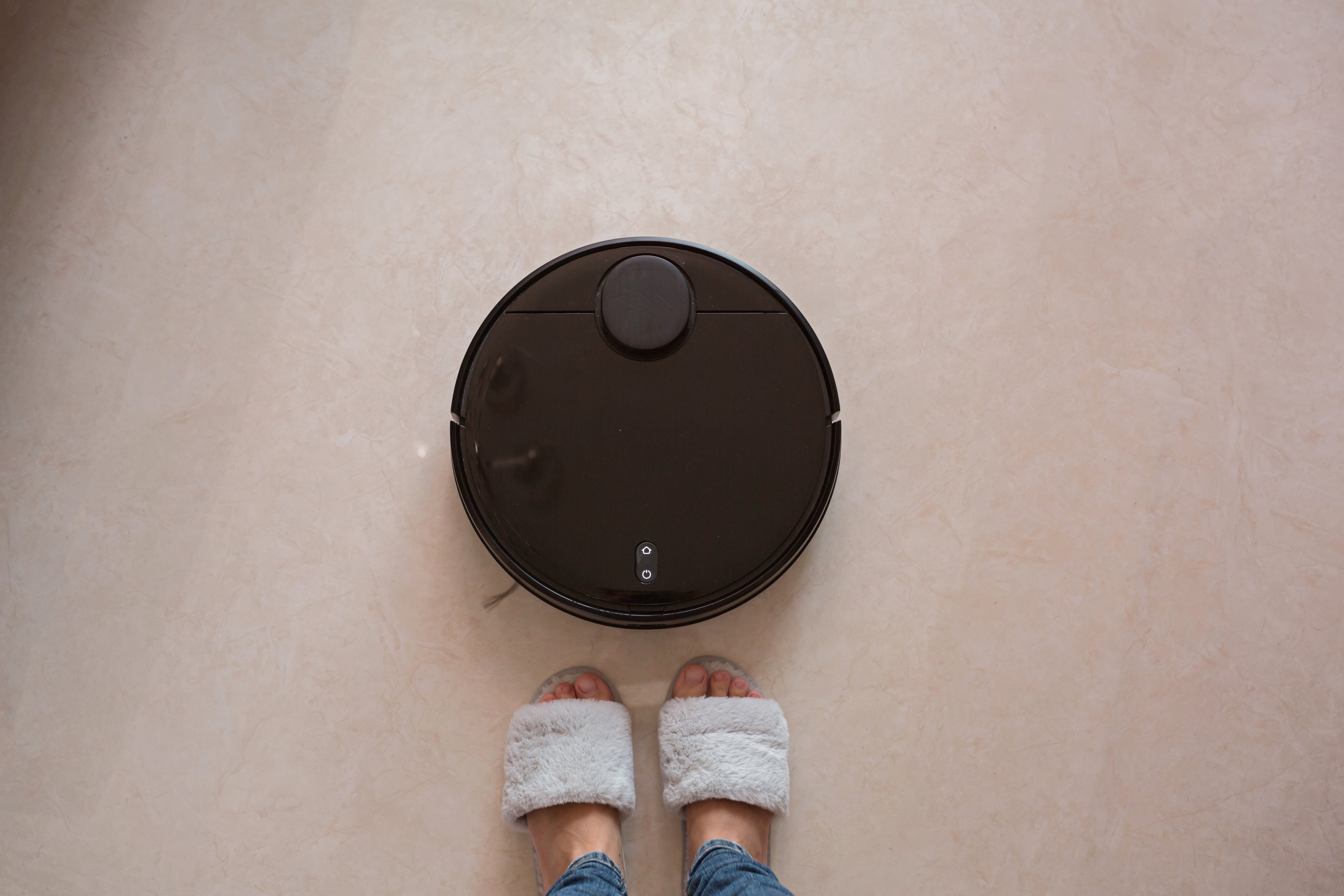
The Rise of Self-Cleaning Vacuum Cleaners: Revolutionizing Home Cleaning
As technology continues to develop, so do the tools offered for keeping our homes clean. The traditional vacuum, as soon as a staple in family tasks, has actually seen impressive advancements, most significantly the development of self-cleaning vacuum. These innovative gadgets not only simplify the cleaning procedure but also boost effectiveness and efficiency. This short article checks out the features, advantages, and factors to consider of self-cleaning vacuum, along with a comparison of popular designs and answers to common questions.
What is a Self-Cleaning Vacuum Cleaner?
A self-cleaning vacuum cleaner is created to clean its brushes, filters, and other components autonomously, lowering the manual maintenance needed by users. This advancement enables consistent suction efficiency, extended lifespan of vacuum parts, and enhanced benefit for users, making it an appealing option for hectic individuals and households.
Key Features of Self-Cleaning Vacuum Cleaners
- Automatic Brush Cleaning: Self-cleaning vacuums typically include a mechanism that gets rid of hair and particles from brushes during or after cleaning cycles.
- Filter Maintenance: Some models come equipped with self-cleaning filters that get rid of dust and avoid clogging, ensuring optimal efficiency.
- Self-Emptying Bins: Advanced models can empty their dustbins into a larger container automatically, requiring less frequent manual clearing.
- Smart Technology Integration: Many self-cleaning vacuums are equipped with Wi-Fi connection and can be controlled via smart device apps or voice-activated home systems.
- Navigation and Mapping: Self-cleaning vacuum frequently use advanced sensors and electronic cameras to browse the home, guaranteeing thorough cleaning without getting stuck.
Benefits of Self-Cleaning Vacuum Cleaners
- Time-Saving Convenience: With self-cleaning features, users spend less time maintaining their vacuum. This provides more time to focus on other jobs or delight in leisure activities.
- Boosted Performance: Regular self-cleaning assists keep suction power and cleaning performance, leading to a cleaner home.
- Less Manual Labor: The automation of cleaning jobs reduces the physical pressure connected with vacuum upkeep, attracting senior citizens or those with mobility concerns.
- Improved Indoor Air Quality: Regular upkeep of filters minimizes irritants in the home, contributing to a healthier living environment.
- Longer Lifespan: By avoiding obstructing and accumulation of particles, self-cleaning vacuums can extend the longevity of their parts.
Factors to consider When Choosing a Self-Cleaning Vacuum Cleaner
While self-cleaning vacuum provide many advantages, potential buyers need to weigh numerous factors before deciding:
- Price Range: Self-cleaning vacuums usually come at a premium price. Potential buyers need to identify their budget and examine the value of functions provided.
- Home Size and Layout: Larger homes might gain from models with innovative navigation systems, ensuring comprehensive cleaning protection, while smaller sized homes may require less advanced systems.
- Type of Flooring: Different designs are designed for different surface areas (e.g., carpets, wood, tile). Make sure Info picked appropriates for the home's floor covering types.
- Maintenance Costs: Although self-cleaning vacuums decrease manual maintenance, they may have greater long-term maintenance expenses due to specialized parts and replacement parts.
- Brand Reputation and Warranty: Researching dependable brands and understanding warranty terms can protect the purchaser's investment.
Comparison of Popular Self-Cleaning Vacuum Cleaners
Below is a comparison table showcasing a few of the leading self-cleaning vacuum cleaners readily available in the market today:
| Model | Self-Cleaning Feature | Smart Connectivity | Battery Life | Average Price |
|---|---|---|---|---|
| Roborock S7 | Yes | Yes | Up to 180 minutes | ₤ 649 |
| iRobot Roomba s9+ | Yes | Yes | Up to 120 min | ₤ 999 |
| Shark IQ Robot Vacuum | Yes | Yes | Approximately 90 min | ₤ 499 |
| Eufy RoboVac L70 Hybrid | Yes | Yes | Approximately 140 minutes | ₤ 599 |
| Ecovacs Deebot T8 | Yes | Yes | As much as 180 min | ₤ 799 |
Frequently Asked Questions (FAQs)
How does a self-cleaning vacuum work?
A self-cleaning vacuum makes use of brushes and self-cleaning systems that get rid of hair and particles instantly. Some designs have self-emptying capabilities that move dirt from the vacuum's dustbin to a bigger container.
What maintenance is still required with a self-cleaning vacuum?
While self-cleaning vacuums substantially lower upkeep tasks, users must still periodically check for blockages, tidy sensing units, and replace filters as suggested by the maker.
Are self-cleaning vacuum ideal for family pet owners?
Yes! Many self-cleaning vacuum are particularly designed to handle family pet hair, and their self-cleaning brushes help in reducing tangles and clogs brought on by fur.
Can self-cleaning vacuum tidy carpets and difficult floorings?
Many self-cleaning vacuum are flexible and can successfully clean up various surface areas, consisting of carpets, hardwood, and tile. Nevertheless, it's advisable to examine the specs of private designs.
How frequently should I run my self-cleaning vacuum?
The frequency of use depends upon your home needs. For homes with animals or kids, everyday vacuuming may be useful, while less-trafficked locations may just require weekly cleaning.
The introduction of self-cleaning vacuum indicates a transformative shift in home cleaning strategies, enhancing both effectiveness and convenience. As innovation continues to advance, these vacuum promise to make our lives much easier while making sure that our homes stay spotless. By considering aspects like price, functions, and upkeep, customers can select a self-cleaning vacuum that best satisfies their requirements, eventually raising their cleaning experience. As more individuals acknowledge the worth inherent in these devices, the self-cleaning vacuum is bound to end up being a home requirement in the modern-day home.